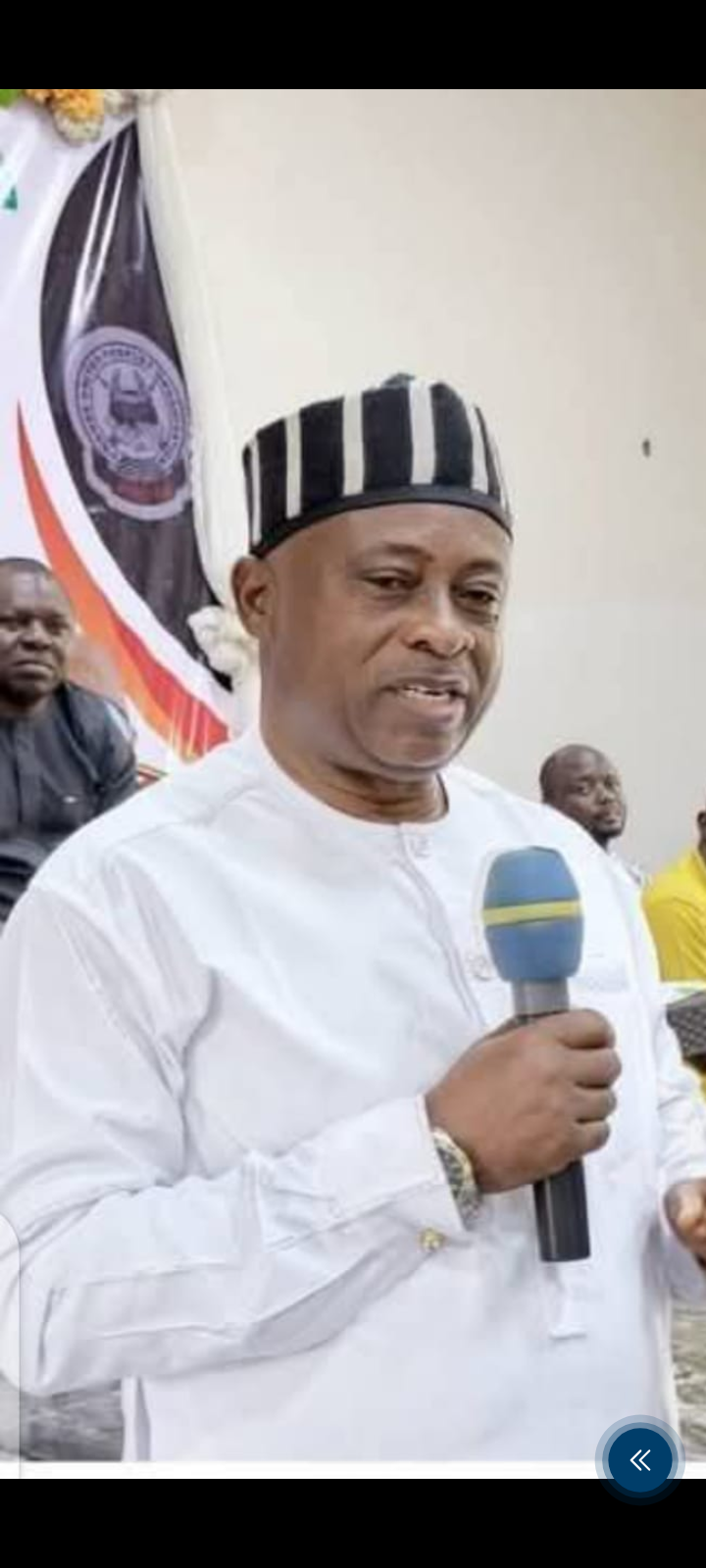
Joseph Waya: The seasoned political strategist many mistake for a greenhorn
By Clement Tsar
Monday, July 27, 2026 • 2 min read
The article argues that Joseph Waya's reputation as a political novice is inconsistent with his long record of public service and political engagement. It traces his journey from journalism and public advocacy to leading the Benue Proactive Coalition, contributing to opposition movements, supporting party formation, and mobilizing communities across Benue and Taraba States. Highlighting his roles in governance advocacy, coalition building, and the establishment of the APC in Benue, the piece contends that Waya enters the 2027 governorship race with decades of political experience and organizational leadership.
In politics, perception often competes with reality. One of the most persistent misconceptions in Benue State's contemporary political discourse is the claim that Joseph Waya is a political greenhorn. Such a characterization is not only inaccurate but also ignores more than four decades of political activism, opposition leadership, party building, grassroots mobilization, and public advocacy that have defined Waya's journey.
As the governorship aspirant of the African Democratic Congress (ADC) and the governorship candidate of APGA in the 2023 Benue State Governorship elections, Joseph Waya's political credentials deserve a closer examination. A review of his life and contributions reveals not a newcomer to politics, but a seasoned strategist whose influence has shaped political developments within and beyond Benue State.
From Journalism to Political Consciousness
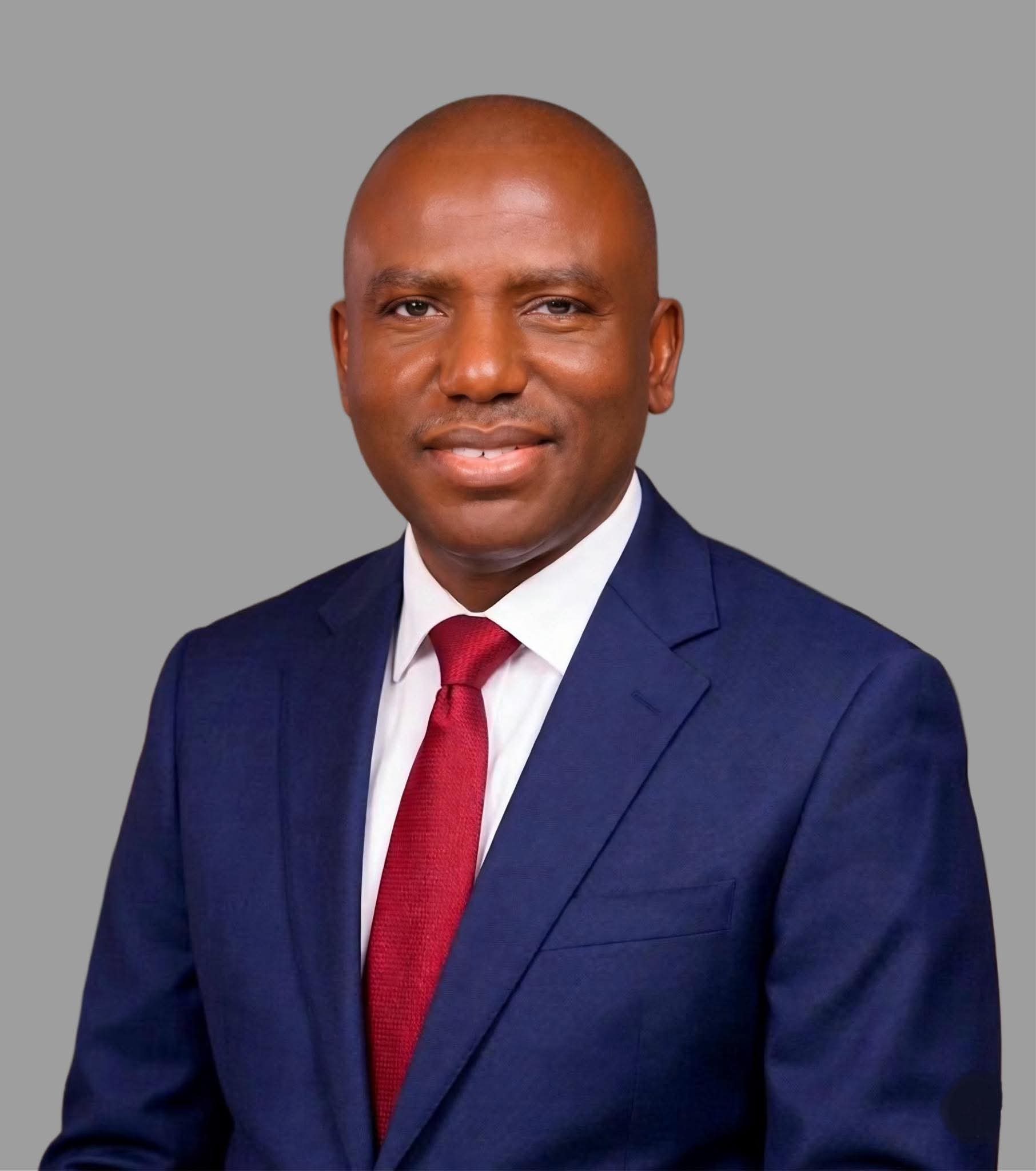
Joseph Waya's public life began remarkably early. At barely 20 years old in 1983, he distinguished himself as a fearless freelance journalist whose incisive analyses and constructive commentaries on political and public policy issues gained widespread recognition across Nigerian media platforms.
His writings attracted the attention of Radio Benue, which offered him employment in its News and Current Affairs Department. There, he quickly built a reputation as one of the state's most respected commentators, producing thought-provoking analyses that resonated with the public.
It was during this period that fate brought him into contact with the legendary Benue politician, Wantaregh Paul Unongo. Assigned to interview the then Nigerian People's Party governorship candidate, Waya established a relationship that evolved into a mentor-disciple bond spanning nearly four decades. Under Unongo's tutelage, Joseph Waya acquired firsthand political education from one of Nigeria's most brilliant political minds.
A Voice Against Misgovernance
Long before political opposition became fashionable, Joseph Waya was already challenging authority and demanding accountability.
In the early 1990s, he published articles criticizing the administration of Benue's Military Administrator, Lt. Col. Fidelis Makka, over allegations of misuse of public funds and lack of transparency in contract awards. His writings led to his arrest and interrogation by the State Security Service.
Rather than retreat from public engagement, Waya resigned from Radio Benue shortly afterward and intensified his commitment to public advocacy. By 1992, he had established Accord Newspaper, serving as its Managing Director and Editor-in-Chief. The publication became one of the most influential tabloids in Nigeria and further cemented his reputation as an independent-minded public commentator.
The Architect of Benue's Most Effective Opposition Movement
Perhaps the strongest evidence against the claim that Joseph Waya is politically inexperienced lies in his leadership of the Benue Proactive Coalition (BPC). At the height of Governor George Akume's administration in 2001, Waya spearheaded one of the most organized and effective opposition movements in Benue State's history. The coalition brought together youths, intellectuals, professionals, and political stakeholders from diverse ethnic, religious, and political backgrounds.
Unlike many opposition platforms that rely on personal attacks, the BPC focused on policy scrutiny, accountability, transparency, and governance reforms. Under Waya's leadership, the coalition challenged government actions while consistently proposing alternatives and solutions.
The movement became so influential that many political observers believed it possessed sufficient popularity and grassroots support to defeat the ruling People's Democratic Party if it had transformed into a registered political party.
Its impact was undeniable. The political environment created by the coalition significantly contributed to the emergence of Gabriel Suswam as Governor of Benue State in 2007. Notably, the current Deputy Governor of Benue State, Sam Ode, served as the National Secretary of the coalition under Waya's leadership.
Years later, George Akume himself reportedly acknowledged that the pressure mounted by Waya and the BPC helped his administration address some of its shortcomings and excesses.
If successfully leading a formidable opposition movement against a sitting government does not constitute political experience, then one must ask what does.
A Different Model of Opposition Politics
One distinguishing feature of Joseph Waya's political philosophy is his emphasis on issue-based opposition.
Throughout his career, he has maintained that effective opposition is not about insults, abuse, or personal attacks against public office holders. Rather, it is about scrutinizing policies, exposing failures, and educating citizens on governance issues.
This approach explains why his political engagements have often focused on policy debates and public accountability rather than inflammatory rhetoric. It is a style that seeks to awaken political consciousness among citizens instead of merely generating headlines.
Such a philosophy was at the core of the Benue Proactive Coalition's success and remains one of Waya's defining political attributes.
Building Political Influence Beyond Benue
Joseph Waya's political influence has not been confined to Benue State alone.
For more than two decades, he has played a significant role in mobilizing Tiv communities in Taraba State for peaceful political participation. Beginning during the administration of Governor Jolly Nyame, Waya used his resources and networks to foster unity among Tiv people and encourage their active involvement in the state's political process.
Through extensive consultations and peace-building initiatives across the seven Tiv-dominated local government areas, he helped strengthen political participation and representation. These efforts continued through subsequent administrations, including that of Governor Danbaba Suntai.
Such long-term political engagement demonstrates strategic thinking and organizational capacity that extend beyond electoral contests.
A Key Player in Opposition Politics and Party Formation
Joseph Waya's role in opposition politics continued in 2011 when he emerged as one of the driving forces behind Professor Stephen Torkuma Ugba's governorship ambition under the Action Congress of Nigeria (ACN).
His Abuja residence became a strategic meeting point where critical decisions concerning the ‘ Ugba Nyor Ishor Chengi” campaign were taken. His influence and coordination efforts contributed significantly to the structure and direction of the opposition movement at the time.
When discussions began in 2014 on the merger of ACN, CPC, and ANPP to form the All Progressives Congress (APC), Waya strongly supported the initiative. More importantly, he became one of the foundational figures who facilitated the establishment of the APC in Benue State.
He hosted and sponsored some of the earliest stakeholder meetings in Vandeikya, Makurdi, and Otukpo, bringing together leaders from the merging parties and helping lay the groundwork for what would become the state's dominant political platform.
These are not the activities of a political novice. They are the contributions of a political organizer deeply involved in shaping political structures and institutions.
The 2027 Question
As Benue approaches the 2027 governorship election, the debate should not be whether Joseph Waya possesses political experience. The historical record answers that question conclusively.
The more relevant discussion is whether his decades of experience in journalism, public advocacy, opposition leadership, grassroots mobilization, conflict resolution, party building, and political strategy position him as a credible alternative for the state's future.
Among those seeking to govern Benue State, no one else can point to a political résumé that combines media influence, opposition leadership, institutional development, and grassroots mobilization spanning more than forty years.
Joseph Waya may be many things to different people, but a political greenhorn is certainly not one of them.
Comments (0)
Be the first to comment.
Related stories
Waya rejects Benue ADC Gov'ship primaries results, describes exercise as a "charade".
Tsar Donates ₦20 Million to St. Winifred Girls' Secondary School, Ihugh.

The real Benue political map of 2027